Book Ends
When I was seven, newly arrived in Toronto and measuring my new neighbourhood, a girl my age led me by the hand to the local library. 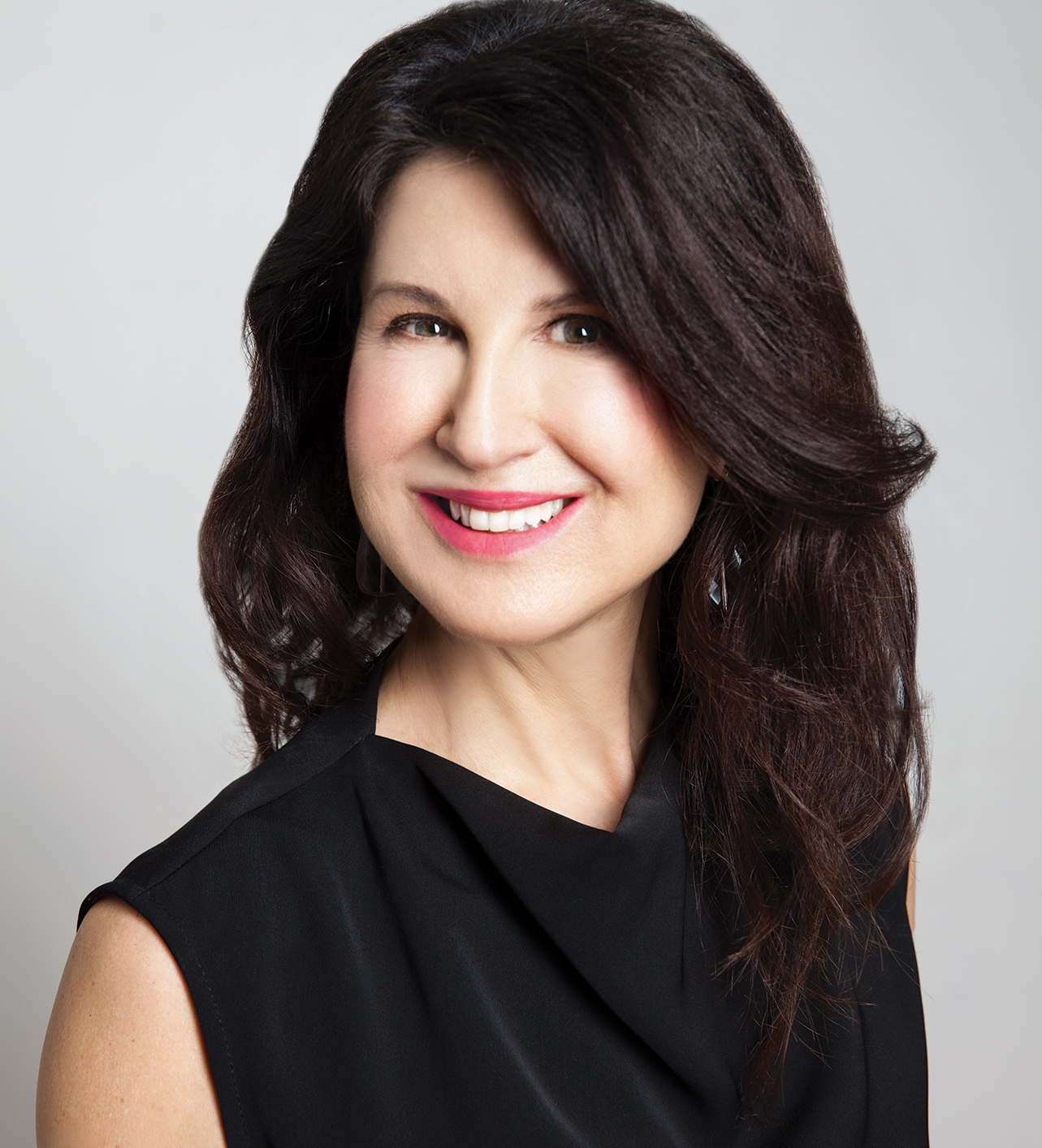
The librarian was gentle and patient, writing my name in looping cursive and stamping the card, the first possession that felt truly mine, marked like something official. That card – more a key – opened the library’s expansive territory to me: a world where myths and legends, fairy tales and ancient cities shimmered within reach, all for free.
Over the years, the library became my study, my refuge, my escape. At university, I commuted nightly to the 13th floor – lucky number, lucky stillness – completing assignments among weighty books and the anonymous endurance of study. When silence grew heavy, I drifted down several floors to research tables where strangers bent over books and there was always a librarian who knew the curriculum better than anyone, ready with an answer or a harder question. At the reference desk, the Oxford English Dictionary awaited: a monument, big as a galleon stuffed with gold, and twice as precious for the strange words it yielded on the way through an essay.
Those essays examined the genius of Thomas Hardy and T.S. Eliot, the marvels of baroque architecture and the gestural tug of abstract expressionism. Post-graduation, I returned to research centuries of dance for a book about ballerinas, and to time-travel through microfilm and vintage magazines for another on the Beatles. The library was social too – talks given, talks received, coffee meetings on the ground floor: scene and ongoing edification. It was a second home to me; whatever happened there always mattered.
So when the Toronto Public Library recently appointed a new head – York grad Moe Hosseini-Ara – and started reshaping itself, I didn’t see just a piece of news. I saw a turning point for every person who ever found inspiration among its shelves. That’s why the story landed on the cover. When a place so woven into your life changes in bold and hopeful ways, it deserves to be spotlighted.
The future of the library is on view at Markham Campus, where the collection now includes sewing machines, cameras, digital resources and tools for curiosity. Anything you can imagine awaits somewhere in its lending bins. That’s the transformation: the library as font of invention, not just repository.
Other features – on cleaner energy, the University’s Muscle Health Research Centre and alumni giving back – spring from the same ground. Each is a branch of the library’s wider ecology: distinct, but united in curiosity, generosity and excellence. Reading these articles, I am transported back to that first stamped library card and the discoveries that followed. Here we gather, and here we begin again. ■
– Deirdre Kelly